
Kitchen Layouts That Work: Galley, L-Shaped, U-Shaped & Island Configurations
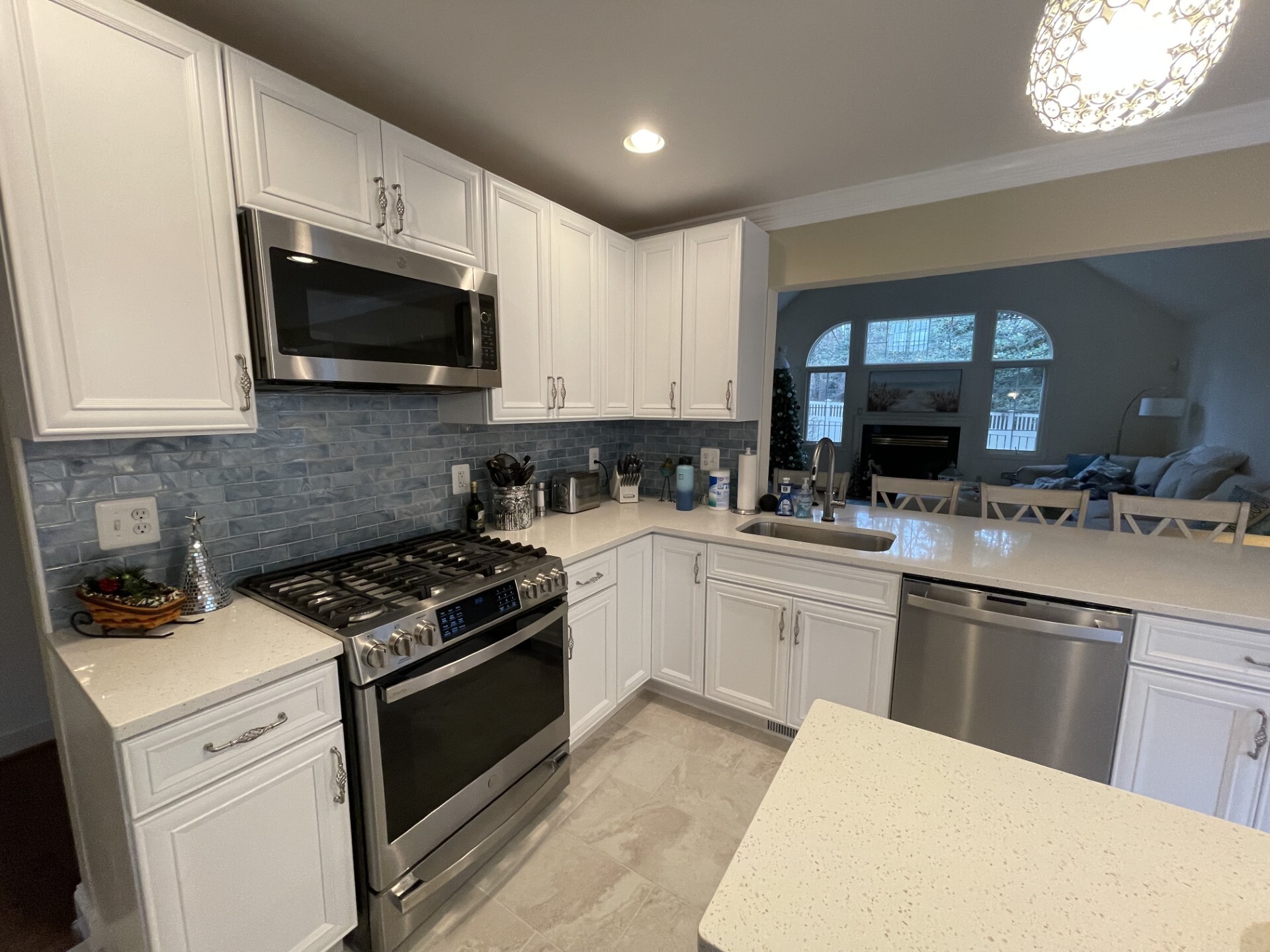
Choosing a kitchen layout that matches your lifestyle is a crucial decision, and several factors should be considered when determining the best configuration for you. Whether you are a serious chef or love entertaining, the right kitchen layout can affect how you and your family use the renovated space.
Well-planned kitchen layouts effectively balance counter space, appliance placement, and storage. From flexible L-shaped and efficient U-shaped designs to compact galley or spacious island kitchens, each configuration offers distinct advantages and disadvantages based on your space, workflow, and functional requirements.
Why Kitchen Layout Matters More Than You Think
Over the years, traditional kitchens have evolved from a small space for one person to prepare a meal to multi-purpose rooms that seamlessly integrate with adjacent living areas, creating the heartbeat of the home.
When selecting a kitchen layout that meets your specific needs, the first consideration is available space and the ability to move smoothly throughout the area while performing day-to-day tasks. The right design can improve daily flow, comfort, and efficiency. Another consideration is the classic kitchen work triangle, which separates the refrigerator, stovetop, and sink. This tried-and-true concept remains effective in today’s kitchens, creating specific work zones for preparation, cooking, cleanup, and entertaining.
Other considerations for selecting a kitchen layout include:
- Daily Flow: Logical placement of prep areas and appliances can significantly reduce congestion.
- Sightlines: Creates a non-confining space with an aesthetically pleasing flow, enhancing spaciousness and enabling seamless interaction with people in other living areas.
- Storage: Strategically placed cabinetry keeps kitchen essentials easily accessible without crowding work areas.
- Traffic Patterns: Clear walkways prevent bottlenecks in high-traffic kitchens, ensuring a smooth flow for anyone entering the area.
Popular Kitchen Layouts Explained – Pros, Cons, and Best Uses
The following kitchen layouts address the best uses for both large and small spaces, taking into consideration the pros and cons of each configuration. Many designers often begin with the kitchen work triangle to ensure efficient flow, then layer in prep zones, storage, and secondary appliances to meet a homeowner’s cooking, entertaining, and lifestyle requirements.
Galley Kitchens
Galley kitchens are often found in older homes, apartments, and townhomes where space is limited. Their parallel-wall design is ideal for narrow spaces and efficiency-focused cooking, while supporting clear traffic flow.
PROS
- Cost-effective remodeling options
- Everything within arm’s reach
- Good counter space
- Intimate, functional, and easy to work in
CONS
- Inability to socialize or entertain
- Lack of natural light
- Limited space for storage expansion and larger appliances
- Tight for multiple cooks
L-Shaped Kitchens
L-shaped kitchens are an optimal solution for open-concept homes that require a flexible traffic flow. This versatile configuration consists of two perpendicular, adjoining walls, typically 12 to 15 feet tall, that form an L to maximize space efficiency. A dining area and multiple work zones can be easily added to this type of kitchen layout.
PROS
- Adaptable to small and medium kitchen sizes
- Maximizes corner efficiency
- Promotes good traffic flow
- Supports a strong work triangle
CONS
- Corner storage challenges if poorly designed
- Less cabinetry and storage than other layouts
- Limited counter space
U-Shaped Kitchens
U-shaped kitchen layouts are often found in larger renovations where storage and workflow are crucial. This space-efficient configuration maximizes counter space, with room for different work zones on three connecting walls.
PROS
- Abundant counter space and cabinetry
- Efficient flow and traffic pattern
- Strong work triangle
- Ideal for multiple cooks
CONS
- Can feel enclosed without well-designed spacing and lighting
- Corner storage can prove burdensome
- Hard to reach corner cabinets
Island Kitchen Configurations
An island kitchen provides ample prep space, storage, and seating options. This is a common configuration for open-plan homes where entertaining and cooking overlap.
PROS
- Design flexibility
- Extra storage and workspace
- Improves traffic flow in large kitchens
- Social hub for entertaining
CONS
- Can disrupt the work triangle if not placed properly
- Higher costs for installation, utilities, and cabinetry
- Requires generous clearances and ample space
Choosing the Right Kitchen Layout for Your Home and Lifestyle
When choosing a kitchen layout design that aligns with available space and household needs, a homeowner should consider the following factors:
- Available square footage
- Cooking habits
- Entertaining style
- Family size
- Natural light
- Workflow and functionality
- Storage needs
- Ventilation
The ideal kitchen layout design seamlessly balances practicality with aesthetics to create a beautiful space that supports an individual’s unique lifestyle and culinary needs.
When to Bring in a Kitchen Remodeling Expert
Blue Horizon Renovations has the knowledge and expertise to turn your kitchen remodeling ideas into a reality, providing professional guidance every step of the way. Our full-service solutions include custom backsplashes, flooring upgrades, natural lighting, open-concept layouts, and premium countertops.
Utilizing detailed design plans, visual planning, and 3D modeling, our skilled team can analyze available space to optimize workflow, storage, and sightlines. Our future-proof designs ensure a homeowner’s evolving needs are met, with innovative options and unsurpassed quality.
Contact us today to schedule a kitchen layout consultation and let one of our remodeling experts help you design a kitchen that truly matches your lifestyle.